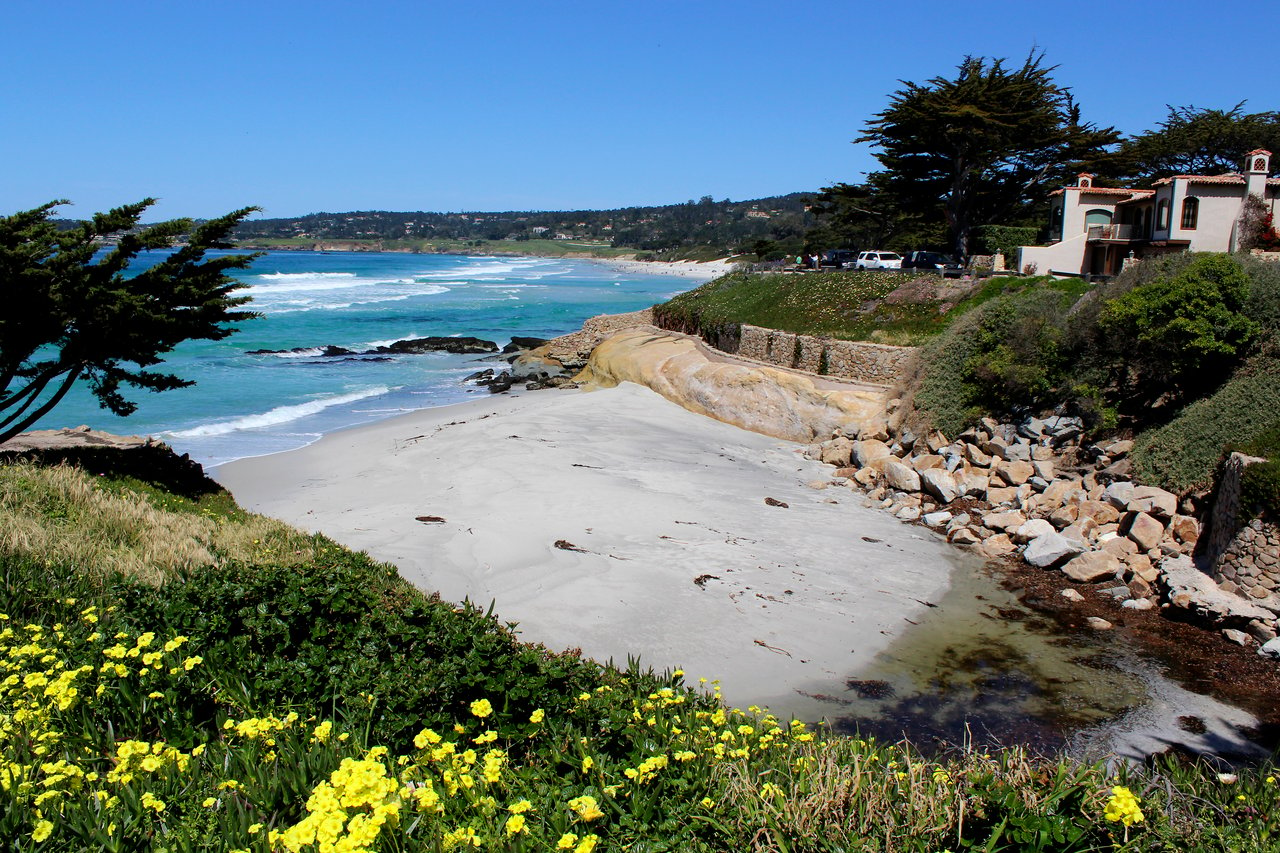
Dreaming of a home where you can walk to the beach, spend the afternoon in galleries, and come back to a house that feels woven into the landscape? That is a big part of Carmel-by-the-Sea’s appeal. If you are exploring this market, it helps to understand how local home styles connect to everyday life, ownership, and long-term enjoyment. Let’s dive in.
Why Carmel Feels So Distinct
Carmel-by-the-Sea has a housing identity shaped by the Arts and Crafts movement, early designer-builders, and a long-standing preference for small-scale homes that fit naturally into their surroundings. The city’s historic context ties Carmel’s enduring charm to Hugh Comstock’s storybook architecture and to early homes by Michael J. Murphy, including late Victorian cottages and Craftsman bungalows.
That design history still shows up in the way the village feels today. Carmel developed with a forested character, along with gardens, courtyards, and informal landscaping throughout the city. In many areas, homes and outdoor spaces feel closely connected, which helps explain why the setting can feel just as memorable as the house itself.
Carmel Cottages and Storybook Appeal
For many buyers, cottages are the home style most associated with Carmel. They are often compact, visually distinctive, and closely tied to the village’s storybook image. Hugh Comstock’s Fairy Tale cottages and the Tuck Box helped define that look, which remains part of Carmel’s architectural identity.
Cottages in Carmel are about more than curb appeal. The city’s historic context describes a broader landscape tradition of terraces, gardens, and outdoor rooms that blur the line between home and setting. If you are drawn to a house with personality and a strong sense of place, this style often delivers that in a very Carmel-specific way.
For some buyers, the smaller scale is part of the appeal. A compact footprint can mean less interior upkeep and more time enjoying the village, the beach, and the town’s cultural life. That can make cottages especially attractive if you want a home that supports a relaxed coastal routine.
Bungalows and Smaller Coastal Homes
Bungalows are another important part of Carmel’s housing story. The city’s historic context connects bungalow design here to Craftsman and Cape Cod traditions, and it notes that many postwar houses were small, single-story homes with practical outdoor living areas and low-profile forms.
If you want an easier-maintenance home, a bungalow or similarly scaled coastal property may be worth a close look. These homes often align well with Carmel’s walkable village pattern and the appeal of simple, comfortable living near the coast. For many buyers, that creates a strong balance between charm and day-to-day usability.
This style can also fit well if you are considering a second home. Carmel’s walkability, beach access, and proximity to dining and arts make smaller homes especially appealing for buyers who want a lock-and-leave lifestyle. At the same time, it is wise to think about parking and local design rules before you make a decision.
Estate-Style Homes and Added Privacy
In Carmel, estate-style home is better understood as a descriptive term than an official architectural category. The city’s historic context shows that some areas had larger parcels, detached guest houses or outbuildings, and more expansive residential footprints.
In practical terms, estate-style homes in Carmel usually suggest more space, more privacy, and a stronger emphasis on landscape. If you want room for guests, additional storage, or a property that feels more tucked away, this part of the market may be the right fit.
These homes can support a different version of coastal living. Instead of centering on a compact, easy-to-close-up house near the village core, larger residences often suit buyers who want a fuller-time lifestyle with more room to host and spread out.
Coastal Living Beyond the House
A big reason buyers choose Carmel is that the lifestyle extends well beyond the property line. The village is widely known for its walkable layout, preserved downtown character, and clean ocean air. The official visitor site describes Carmel as a European-style beach town where everything is within walking distance.
That walkability shapes everyday life in a meaningful way. The village includes more than 60 restaurants and 17 tasting rooms within walking distance, giving you easy access to dining and casual outings without relying on a car for every plan.
Arts and culture are also central to the experience. The city’s public art collection includes more than 900 pieces displayed across public venues such as the Harrison Memorial Library, Sunset Center, and City Hall. Sunset Center serves as a community gathering place for regional performing arts and exhibits, the Forest Theater is one of California’s first outdoor theaters, and the Carmel Art Walk takes place on the second Saturday of every month for artist-owned galleries.
Beach Access and Outdoor Rhythm
Carmel Beach is one of the town’s strongest lifestyle anchors. City and coastal planning materials describe the beach as having more than 22 acres of white sand, with year-round use and city maintenance. The Scenic Road bluff path and beach access system include nine beach access stairways.
That kind of access can shape how you use your home. In a place where the shoreline is woven into daily life, buyers often place a high value on terraces, courtyards, gardens, and other outdoor spaces. Carmel’s historic pattern of homes without front lawns or sidewalks separating the property from the street also adds to the feeling that outdoor living is part of the design.
The shoreline and bluff are part of a broader park system that includes nine formally designated park, open space, and recreational areas. If your idea of home includes frequent beach walks, open-air afternoons, and a strong connection to the natural setting, Carmel offers that in a very direct way.
What Buyers Should Know About Renovation
Carmel’s architectural charm comes with an important tradeoff. The city places a strong emphasis on preservation and design sensitivity, which means changes to a property are not always as simple as they might be elsewhere.
The city maintains both a Historic Context Statement and an Inventory of Historic Resources. Projects involving exterior alterations to historic properties require evaluation and, when applicable, review by the Historic Resources Board.
The Planning FAQ offers a helpful snapshot of what that can mean in practice. Window changes require approval, unclad wood windows with external divided lights are the standard, vinyl windows are not appropriate, and fences require design review. Carmel is also entirely within the coastal zone and operates under a certified Local Coastal Program, so coastal access, environmental protection, and development rules matter for residential properties.
For you as a buyer, the takeaway is simple. Purchasing in Carmel often means stepping into a carefully managed architectural environment, not a free-form suburban setting. That can help preserve the character people love, but it also makes due diligence especially important if you hope to remodel or update a home.
Daily Logistics Matter Too
Lifestyle in Carmel is easygoing, but the daily logistics are worth understanding. The city says residents and owners of residential property can obtain residential parking permits, while visitors rely on timed curbside parking and public lots. No overnight parking is permitted.
That setup tends to fit some home styles better than others. Smaller cottages and bungalows can be a natural match for buyers who plan to walk often and keep life simple. Larger properties may work better if you are planning for full-time living, regular guests, or added storage needs, since parking strategy can play a bigger role.
This is one reason local guidance matters in Carmel. Two homes may offer a similar coastal feeling, but the ownership experience can differ based on layout, location, parking, and renovation limitations.
Choosing the Right Carmel Lifestyle
The best home style in Carmel-by-the-Sea depends on how you want to live. If you love character, intimacy, and classic village charm, a cottage may feel like the right fit. If you want lower-maintenance living with practical everyday comfort, a bungalow or smaller coastal home may make more sense.
If privacy, extra space, and room for guests are at the top of your list, a larger estate-style residence may better support your goals. Each option offers a different version of Carmel living, but all are shaped by the same core themes: walkability, outdoor connection, architectural character, and a deep sense of place.
When you understand how home styles and lifestyle intersect, it becomes easier to focus your search. And in a market as distinctive as Carmel, that clarity can make a real difference.
If you are thinking about buying or selling in Carmel-by-the-Sea, David Lyng Real Estate offers full-service guidance rooted in local knowledge, thoughtful representation, and a long-term relationship approach.
FAQs
What home style is most associated with Carmel-by-the-Sea?
- Carmel is most closely associated with cottages, Craftsman and bungalow roots, and storybook architecture.
Are estate-style homes an official Carmel home category?
- No. In Carmel, estate-style is better used as a descriptive term for larger, more private residences rather than a formal municipal style label.
Is Carmel-by-the-Sea a good place for a second home?
- It can be a strong fit if you value walkability, beach access, and easy access to arts and dining, but you should also factor in parking rules and preservation requirements.
Do renovation rules matter when buying a Carmel home?
- Yes. Carmel emphasizes preservation and design sensitivity, and some exterior changes, including window updates and fences, require city approval or design review.
What makes Carmel living feel different from other coastal markets?
- Carmel stands out for its walkable village layout, beach access, arts and dining scene, preserved architectural character, and strong connection between homes and outdoor spaces.